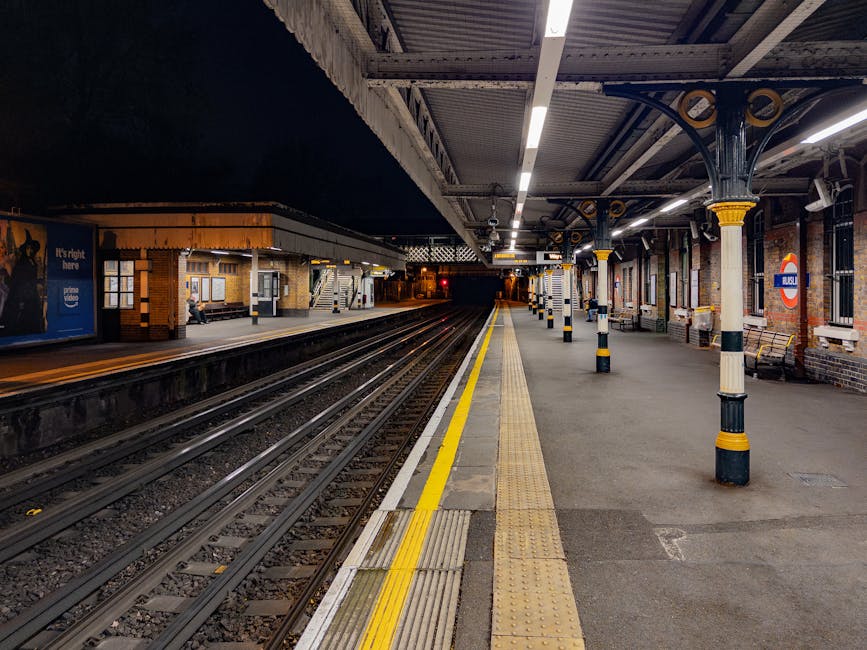
Acton Central station furniture removals insider tips

If you are trying to move a sofa, bed frame, wardrobe, or a whole flat's worth of furniture near Acton Central station, the small details matter more than most people expect. A move that looks straightforward on paper can turn awkward fast: a narrow staircase, a tight parking window, a bulky chest of drawers, or a last-minute platform delay can throw the whole day off. These Acton Central station furniture removals insider tips are written to help you avoid that scramble and plan with a bit more calm.
The good news? Furniture removals around a busy station area do not have to be stressful. With the right packing approach, sensible timing, and a clear idea of what vehicle and help you actually need, you can save time, protect your items, and keep the day moving. Let's face it, nobody wants to be standing on the pavement at 8:30 in the morning trying to rotate a wardrobe through a doorway while everyone else is trying to get on with their day.
This guide breaks down what works in practice, what people often overlook, and how to make a local furniture move feel far more manageable. If you are comparing professional help, you may also want to look at furniture removals, removal services, or a flexible man and van option depending on the size of the job.
Why Acton Central station furniture removals insider tips Matters
Furniture removals near a station are not just about lifting objects from one place to another. They are about timing, access, and the reality of local streets. Around Acton Central, you may be dealing with commuter traffic, limited stopping space, footfall at busy hours, and buildings that were never designed with modern sofa dimensions in mind. That is where practical local knowledge becomes useful.
Why does this matter so much? Because a move that is poorly planned tends to create a chain reaction. If the van cannot stop close enough, the lift team spends longer carrying items. If the furniture is not wrapped well, corners get damaged. If the bed base is not dismantled beforehand, the job takes twice as long. A small delay can snowball. It always does, annoyingly.
What people often call "insider tips" is really a set of ordinary but important habits: measure before moving, book the right vehicle, protect the building, and keep the route clear. Those habits are especially useful if you are moving in or out of a flat, a shared house, or a mixed-use street near the station. If you need a wider housing move rather than a single-item removal, it can also make sense to explore flat removals or home moves.
Expert summary: Near Acton Central, the safest way to save time is to plan access before you think about the lift. Measure the furniture, check the route, choose the right van, and then worry about the loading order. That simple sequence prevents a lot of headaches.
How Acton Central station furniture removals insider tips Works
A smooth furniture removal usually follows the same basic structure, even if the details change from job to job. First, you assess what is being moved. Then you decide whether it needs dismantling, wrapping, and special handling. After that, you work out the access route: stairs, lift, hallway width, parking distance, and where the vehicle can safely wait. Only then do you schedule the move itself.
In a station area, the timing layer becomes more important. Morning and evening periods can be awkward because of commuters and heavier local movement. That does not mean you must avoid those times completely, but it does mean you should build in a margin. Fifteen minutes can be enough, or it can be nowhere near enough. Truth be told, it depends on the building and the furniture, not the calendar.
Professional movers normally handle the heavy lifting, the loading strategy, and the transport. Your role is to prepare the property and give clear information. The better the handover, the smoother the move. This is especially true when the job involves one-off pieces like wardrobes, sofas, dining tables, or awkward items such as a piano. If you have an unusually heavy or fragile item, piano removals shows the kind of specialist handling that similar bulky items may need.
For larger or mixed moves, the vehicle choice matters too. A smaller van can be perfect for a few items, but a bigger load may require a moving truck or a flexible removal van. The goal is not to get the biggest vehicle possible. It is to get the right one.
Key Benefits and Practical Advantages
There are several good reasons to plan furniture removals carefully near Acton Central station rather than treating them as a quick grab-and-go task.
- Less damage risk: Wrapped corners, protected floors, and proper lifting reduce scuffs and knocks.
- Faster loading: A planned order keeps the move efficient instead of turning into a shuffled pile on the pavement.
- Better cost control: Less wasted time usually means a more predictable bill.
- Safer access: A clear route reduces the chances of slips, trips, or trapped fingers.
- Less stress: Knowing the plan makes the day feel far more manageable, even if you are moving before work or after a long week.
There is also a practical comfort factor that people overlook. When furniture is packed properly and the route is clear, the whole move sounds calmer. Less banging. Less shuffling. Less that horrible scraping sound you hear when a cardboard box touches a wall, which somehow always sounds worse than it is.
For businesses relocating a few desks or storage units around the station area, the benefits are just as clear. A well-managed furniture move can keep disruption low and help staff settle faster. That is where services such as office removals or commercial moves become relevant.
Who This Is For and When It Makes Sense
This guide is useful if you are moving a single heavy item, several rooms' worth of furniture, or the contents of a small office near Acton Central. It is especially relevant for:
- flat tenants moving in or out near the station
- homeowners relocating furniture across West London
- students or sharers moving beds, desks, and bookcases
- small businesses replacing office furniture
- people using storage between homes
- anyone trying to move bulky items without damaging doors, walls, or backs
It also makes sense if you do not need a full house move but still want a reliable, organised service. In that case, a smaller booking may be enough. A man with van style service can suit modest loads, while a more comprehensive removals booking may suit a bigger, more demanding job.
If your move is tied to rent deadlines, exchange dates, or a handover window, planning becomes even more important. The furniture itself may be simple. The timing rarely is. That is the bit that catches people out.
Step-by-Step Guidance
Here is a practical way to plan the move without overcomplicating it.
- List every item. Write down what is moving, what can be dismantled, and what needs extra care.
- Measure the large pieces. Check width, height, depth, and the route through doors and stairwells.
- Check access at both ends. Look for parking, lifts, loading bays, controlled entry, or awkward corners.
- Decide what to dismantle. Beds, some wardrobes, and table legs often travel better in pieces.
- Wrap and protect. Use blankets, bubble wrap, tape, and corner protection where needed.
- Confirm the vehicle size. A small move may only need a van; larger loads may need more space.
- Prepare the route. Move rugs, loose cables, and small items out of the way before the team arrives.
- Load in the right order. Heavy, stable furniture goes first; lighter and fragile items are secured later.
- Do a final room check. Open drawers, inspect cupboards, and look behind doors before leaving.
- Unpack the essentials first. That means keys, documents, chargers, kettle, and anything you will need immediately.
Simple? Yes. Always easy? Not quite. The trick is to treat each step like it saves time later, because it does.
If you want packing support as part of the job, packing and boxes and packing and unpacking services can remove a lot of the pressure, especially if you are trying to fit the move around work or family commitments.
Expert Tips for Better Results
The best insider tips are often the simplest ones, just applied consistently. Here are the details that tend to make the biggest difference.
1. Put the awkward item first in your planning
Do not build the move around the easiest chair. Build it around the sofa that barely fits, the wardrobe that needs tilting, or the table that is heavier than it looks. If the hardest item works, the rest usually falls into place.
2. Measure stair turns, not just door frames
This is one people miss all the time. A sofa may fit through the door but snag on the stair turn. Measure the landing and the bend, not just the opening.
3. Keep bolts and screws together
Use labelled bags for dismantled parts. One small zip bag taped to the frame can save twenty minutes later. Or an hour, if the Allen key disappears into the usual black hole under the hallway radiator.
4. Protect building corners before the move starts
Cardboard protectors or moving blankets at pinch points can reduce scuffing, especially in narrow hallways and shared entrances.
5. Think about the weather and the time of day
A damp morning or a dark evening changes how surfaces feel and how quickly items should be carried. If it is raining, protect upholstered furniture properly. If it is early and cold, metal fittings and handles can be slippery. Small detail, big difference.
6. Use temporary storage if the timing is messy
If your move-out and move-in dates do not line up neatly, short-term storage can keep the whole process from turning into a chaotic shuffle. That is often the cleaner solution when keys are delayed or rooms are still being finished. In those situations, storage can be a very sensible bridge.
Common Mistakes to Avoid
Most furniture removal problems are avoidable. The recurring mistakes are familiar, and to be fair, they are understandable when people are rushed.
- Not measuring properly: People estimate and hope. Hope is not a measuring tool.
- Leaving packing until the last minute: That is how lampshades end up in duvet covers and nobody knows where the remote went.
- Forgetting access restrictions: A building may have entry codes, time limits, or awkward loading rules.
- Choosing the wrong vehicle size: Too small and you need multiple trips. Too large and you may pay for unused capacity.
- Overloading boxes: Books, tiles, and heavy ornaments should not go into flimsy cartons.
- Ignoring fragile finishes: Veneer, glass, mirrors, and polished wood need the right protection.
- Not checking insurance: It is better to know what is covered before the move than after a problem occurs.
Another common slip is assuming "furniture removal" only means transport. It usually includes preparation, handling, and route management too. If your load is more than a few pieces and you want a bit more certainty, comparing removal companies can help you judge which team feels best prepared for the job.
Tools, Resources and Recommendations
You do not need a van full of specialist gear to complete a good furniture move, but a few items make the whole process safer and cleaner.
- Moving blankets: useful for sofas, tables, wardrobes, and sharp edges
- Stretch wrap or film: keeps drawers shut and protects surfaces
- Strong tape and labels: essential for dismantled fittings and box organisation
- Trolley or sack truck: helpful for heavier items where suitable
- Gloves with grip: better for handling bulky furniture in tight spaces
- Door and wall protectors: especially useful in narrow flats
If you are looking for a practical service setup rather than a full-scale move, a removal van can be a neat middle ground. For larger or more complex jobs, a broader removal services package may be more appropriate. And if you only need one or two items collected, a furniture pick-up can be a better fit than booking more capacity than you need.
For local planning, it also helps to keep your paperwork simple and in one place: booking confirmation, access notes, parking details, and any special instructions. Nothing fancy. Just tidy.
Law, Compliance, Standards and Best Practice
Furniture removals are not usually complicated from a legal point of view, but they do involve real responsibilities. Safe lifting practice, sensible vehicle loading, and care for property all matter. In the UK, movers are expected to act responsibly, and customers should feel confident asking how items will be handled, what insurance is in place, and how damage risks are reduced.
Where a move affects shared buildings, it is also wise to consider building rules, landlord instructions, and access arrangements. That may mean protecting common areas, avoiding blocked routes, or keeping to agreed time windows. None of that is dramatic, but it matters.
Best practice usually includes the following:
- clear pre-move communication
- careful handling of heavy and awkward items
- reasonable protection for walls, floors, and furniture surfaces
- appropriate vehicle loading and securing
- honest information about what the service includes
If you want to understand the kind of operational standards a professional provider should have in place, it is sensible to review health and safety policy, insurance and safety, and terms and conditions before booking. That is not being fussy. That is just smart.
Options, Methods and Comparison Table
Different moves need different levels of support. Here is a simple comparison that may help you decide.
| Option | Best for | Strengths | Watch-outs |
|---|---|---|---|
| DIY van hire | Very small loads and confident loaders | Control over timing and packing | More physical work, more risk of damage, more planning burden |
| Man and van | Medium-sized furniture moves and flexible schedules | Good balance of cost and convenience | May not suit very large or highly complex removals |
| Full removal service | Heavier loads, multiple rooms, or tighter deadlines | More support, better efficiency, less stress | Usually more expensive than a basic van-only option |
| Storage plus move | Dates do not line up or the property is not ready | More flexibility and fewer rushed decisions | Extra handling step and potential storage cost |
For a smaller flat move, flat removals may be enough. For people moving a full household, house removals or even house removalists may make far more sense. It depends on how much lifting you want to do yourself, really.
Case Study or Real-World Example
Imagine a typical local move: a couple in a second-floor flat near Acton Central has a sofa, double bed, dining table, and a chest of drawers to move out before lunchtime. The staircase is narrow, the hallway bends sharply at the top, and there is no spare room for piles of boxes. Fairly normal, actually.
They start by measuring the sofa and realise the armrest is the awkward point, not the seat length. That changes the plan straight away. The bed is dismantled the night before, and the screws go into labelled bags. The dining table legs are removed, which makes carrying simpler. On the morning of the move, the route is cleared, the lift is kept free, and the van is positioned as close as practical to the entrance.
The result is not magic. It is just good prep. The team loads the heaviest pieces first, wraps the table top carefully, and keeps fragile items away from the metal edges. The move finishes without drama, no chipped corners, no frantic searching for screws. Everyone leaves with that quiet sense of relief that comes after a job has gone properly. You know the feeling.
If that same move had been left until the last minute, they would probably have ended up with a second trip, a scratch on the wall, and a lot more muttering. Preparation does not remove every problem, but it removes most of the avoidable ones.
Practical Checklist
Use this before your move. Print it, copy it, scribble on it. Whatever works.
- All furniture items listed and measured
- Doorways, stairwells, and turns checked
- Parking and loading access confirmed
- Lift or entry restrictions noted
- Large items dismantled where sensible
- Screws, bolts, and fittings bagged and labelled
- Furniture surfaces wrapped or protected
- Fragile items separated from heavy pieces
- Floor protection arranged if needed
- Insurance and service details reviewed
- Keys, documents, and essentials kept aside
- Old property checked once everything is out
If you are still deciding on the right level of support, reviewing pricing and quotes can help you compare options in a way that feels less guessy and more grounded in the actual job.
Get a free quote today and see how much you can save.
Conclusion
The best Acton Central station furniture removals insider tips are not secret at all. They are the habits that make a move feel organised instead of rushed: measure carefully, plan access, choose the right vehicle, protect your furniture, and keep the loading order sensible. Do those things and the whole process becomes much easier to live through.
Whether you are moving one bulky wardrobe or the contents of an entire flat, the same principle holds. Good preparation saves time, protects your belongings, and lowers the odds of a stressful day. That is the real advantage here. Not perfection. Just a calmer move and fewer surprises.
And honestly, a calmer move is worth quite a lot. Especially when you are trying to get on with life, work, or a long overdue cuppa after the van pulls away.
Frequently Asked Questions
What are the most useful Acton Central station furniture removals insider tips for a first-time mover?
Start with measurements, access, and timing. Measure the furniture and the route, check parking and stair access, and decide whether items should be dismantled before the move. Those three things solve a surprising number of problems.
How far in advance should I book furniture removals near Acton Central?
As early as you reasonably can, especially if you are tied to a tenancy end date or a key handover. Short-notice bookings can still work, particularly for smaller jobs, but advance planning gives you more flexibility.
Do I need to dismantle furniture before the movers arrive?
Not always, but for wardrobes, beds, and large tables it often helps. Dismantling can make the move safer and quicker. If you are unsure, ask the mover what is best for the specific item.
What size van do I need for a small furniture move?
It depends on the number and size of items, not just the room count. A sofa and bed may need more space than a few boxes and chairs. If you are uncertain, describe the items clearly when requesting a quote.
Is it better to use a man and van or a full removal service?
A man and van setup can be ideal for smaller or simpler moves. A full removal service is usually better for larger, heavier, or more time-sensitive jobs. The right choice comes down to how much help you need, not just price.
How can I protect my furniture during the move?
Use blankets, stretch wrap, and proper padding for corners and edges. Glass, polished wood, and upholstered items should be wrapped carefully. It is also wise to keep damp items away from soft furnishings.
What should I check before the moving team arrives?
Clear the route, remove loose items, confirm parking access, and make sure any building entry codes or instructions are ready. A quick final walk-through can save a lot of backtracking.
Can storage help if my move dates do not line up?
Yes, storage can be a very practical bridge if there is a gap between leaving one property and entering another. It removes pressure and prevents rushed decisions on the day.
Are there any safety concerns I should keep in mind?
Heavy lifting, tight staircases, and narrow hallways are the main ones. Use proper lifting methods, keep walkways clear, and avoid carrying items that are too heavy or awkward for one person. When in doubt, ask for help.
What should I ask a removal company before booking?
Ask what is included, how furniture is protected, what vehicle will be used, and whether insurance and safety arrangements are in place. Clear answers are usually a good sign.
Can I arrange same-day help if something goes wrong?
Sometimes, yes, especially for smaller loads or urgent situations. Availability varies, so if time is tight, ask directly about same-day removals rather than assuming it is possible.
What is the best way to keep the move cost under control?
Prepare properly. Measure accurately, dismantle where sensible, pack efficiently, and be clear about access. The more the mover knows before arrival, the less likely you are to pay for avoidable delays or extra trips.